
Optimal Timing for Asphalt Sealings
The optimal time for asphalt sealings depends on climate conditions, temperature, and pavement usage. Proper timing ensures maximum adhesion and durability, extending the lifespan of the asphalt surface.
Sealings should be applied when temperatures are consistently between 50°F and 85°F to ensure proper curing and adhesion.
Late spring and early fall are typically the best seasons for sealings, avoiding extreme heat or cold that can affect the process.
Dry weather with no rain in the forecast is essential for effective sealings, as moisture can compromise the sealant’s bond.
Sealings should be performed when the asphalt is fully cured and has stabilized, usually a few months after installation.

Spring offers moderate temperatures suitable for sealings, especially after winter weather has passed.
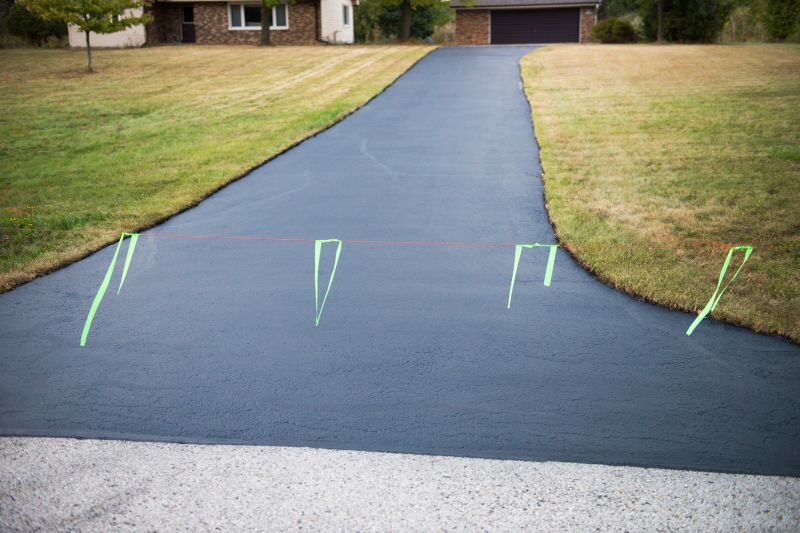
Early summer can be ideal, provided temperatures are not excessively high.
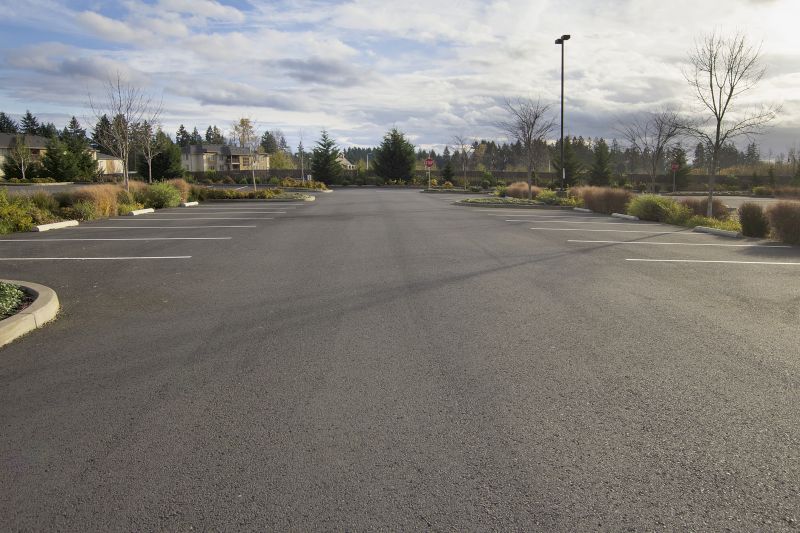
Fall provides cooler temperatures and dry conditions, making it a popular choice.

Ways to make Asphalt Sealings work in tight or awkward layouts.

Popular materials for Asphalt Sealings and why they hold up over time.
Simple add-ons that improve Asphalt Sealings without blowing the budget.
| Season | Temperature Range (°F) |
|---|---|
| Spring | 50-85 |
| Summer | 65-85 |
| Autumn | 50-75 |
| Winter | Not recommended |
Asphalt sealings serve as a protective barrier that prevents water penetration, reduces oxidation, and enhances the appearance of paved surfaces. Proper timing maximizes these benefits, ensuring the pavement remains durable and visually appealing for years to come.

Applying sealant during optimal weather conditions ensures even coverage and adhesion.

A well-sealed surface resists damage from UV rays, water, and traffic wear.
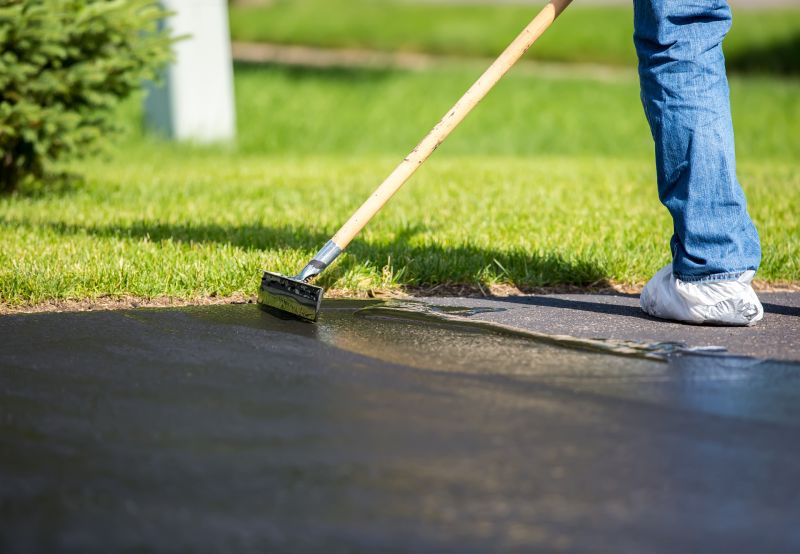
Regular sealings during suitable seasons prolong pavement life and improve surface appearance.

Adverse weather can delay or reduce the effectiveness of sealings, emphasizing the importance of proper timing.
Interested in scheduling asphalt sealings? Filling out the contact form provides an opportunity to discuss timing options suitable for specific pavement conditions and local climate patterns.